Author: Lower Southampton Township
Beware of E-Z Pass Scam
PA Turnpike Alerts E-ZPass Users of Phishing Scam
Phishing texts being sent to their phones from PA Turnpike.
MIDDLETOWN, PA — On Sunday afternoon, the PA Turnpike was advised of a phishing scam that is targeting E-ZPass account holders requesting personal financial information to settle outstanding toll amounts.
The texts purport to be from “Pa Turnpike Toll Services” and center around urgent requests with your account that would result in a late fee if the balance does not get settled. Similar scams have been reported by toll agencies across the country over the past several days.
Customers who receive an unsolicited text, email, or similar message suggesting it is from E-ZPass or another toll agency should not click on the link. E-ZPass account holders can use approved safe methods to check their accounts such as the official PA Turnpike E-ZPass website or the PA Toll Pay app available from the Apple App Store, or Google Play store.
Those who receive a fraudulent text can file a complaint with the FBI’s Internet Crime Complaint Center at www.ic3.gov. That is a site dedicated to sharing information on Internet crimes across law enforcement agencies.
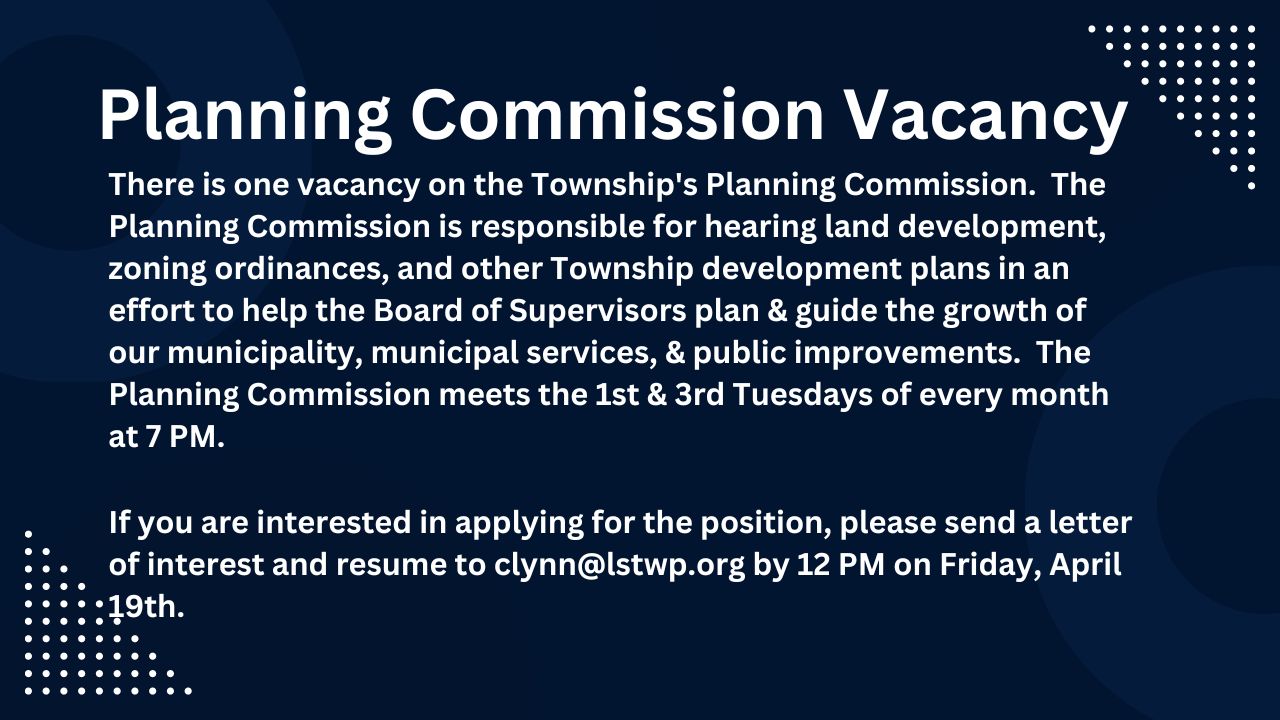
Planning Commission Vacancy
April 10, 2024 Board of Supervisors Meeting Video
Access to recordings of Board of Supervisors meetings are available on the Township’s YouTube Channel.
All meeting videos provided below are for reference only. Official actions of the Township Board of Supervisors are documented in approved meeting minutes and will be posted on the Township website the day following approval.
April 10, 2024 Lower Southampton Township Board of Supervisors Meeting
Board of Supervisors Meeting Information – April 10, 2024
The next Board of Supervisors Meeting is Wednesday, April 10, 2024 at 7:30 PM in the Township Administration Building, 1500 Desire Avenue. The meeting will be televised live on the Township Cable Channel – 22 for Comcast customers, 28 for Verizon customers. The public is invited to attend.
Click HERE to view the agenda.
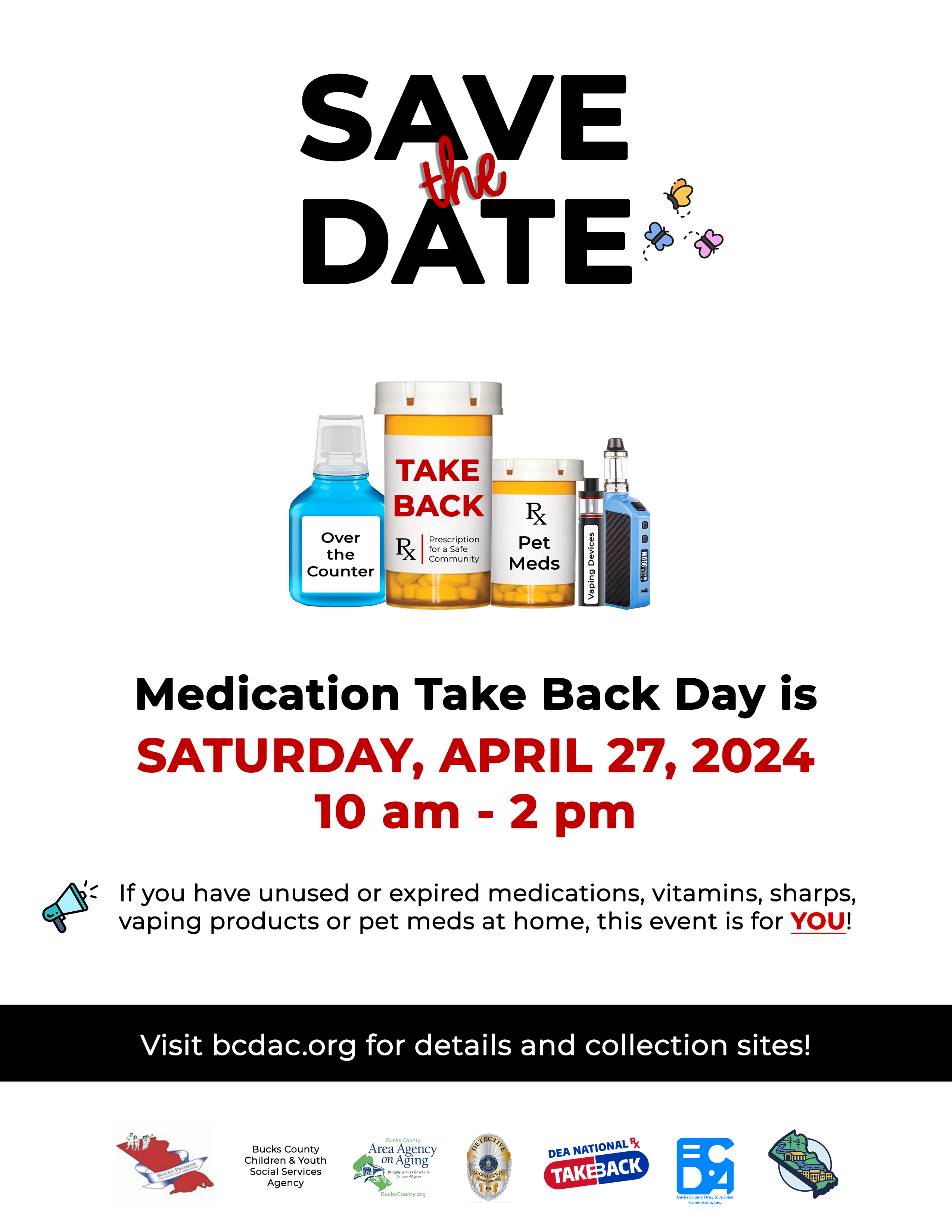
Medication Take Back Day – Saturday, April 27, 2024
Collection site for Lower Southampton Township is:
Poquessing Middle School
300 Heights Ln.
Feasterville-Trevose, PA 19053
PECO Arbor Day Tree Giveaway
PECO is sponsoring a tree giveaway. Residents can use the web link below to register to receive a free tree. Your tree will be available for pickup on Friday, April 26th between 1 PM – 3 PM at Warminster Community Park, 1100 Veterans Way, Warminster, PA 18974.
Trees are available for reservation on a first come basis while supplies last.
The link is www.arborday.org/peco.
Proposed Ordinance Amendments
LEGAL NOTICE
NOTICE is hereby given that the Board of Supervisors of Lower Southampton Township, Bucks County, Commonwealth of Pennsylvania, will hold a public hearing on the following ordinances on April 10, 2024, 7:30 P.M., at the Township Administration Building, 1500 Desire Avenue, Feasterville, PA, 19053, and may consider adoption of the ordinance after the hearing:
AN ORDINANCE OF THE TOWNSHIP OF LOWER SOUTHAMPTON, COUNTY OF BUCKS, COMMONWEALTH OF PENNSYLVANIA, REPEALING AND REPLACING CHAPTER 10, PART 7; REPEALING AND REPLACING SECTION 27-1603(1)D(F)(G); REPLEASING SECTION 22-523; REPEALING SECTION 27-1721 AND ADOPTING A NEW SECTION 1721, OUTDOOR LIGHTING ORDINANCE, ESTABLISHING PENALITES FOR VIOLATION OF THE PROVISIONS OF THE ORDINANCE REPEALING AN INCONSISTENT ORDINANCE OR PARTS AND PROVIDING FOR AN EFFECTIVE DATE
AN ORDINANCE OF THE TOWNSHIP OF LOWER SOUTHAMPTON, COUNTY OF BUCKS, COMMONWEALTH OF PENNSYLVANIA, REPEALING SECTIONS 2-202, 23-109, AND CHAPTER 10 PART 3, DEALING WITH MAXIMUM NOISE LEVEL ORDINANCES AND ADOPTING A NEW CHAPTER 10 OF PROVISIONS OF THE ORDINANCE REPEALING INCONSISTENT ORDINANCES OR PARTS AND PROVIDING FOR AN EFFECTIVE DATE
AN ORDINANCE OF THE TOWNSHIP OF LOWER SOUTHAMPTON, COUNTY OF BUCKS, COMMONWEALTH OF PENNSYLVANIA, CHAPTER 13, PART 1, TRANSIENT RETAIL BUSINESS
AN ORDINANCE OF THE TOWNSHIP OF LOWER SOUTHAMPTON, COUNTY OF BUCKS, COMMONWEALTH OF PENNSYLVANIA, REPEALING INCONSISTENT ORDINANCES OR PARTS AND PROVIDING FOR AN EFFECTIVE DATE AMENDING CHAPTER 15, PART 2, SECTION 218 TO PROVIDE AN EXCEPTION FOR OFFICIAL USE BY EMERGENCY SERVICES
The full text of the proposed ordinances may be examined at the Lower Southampton Township Administration Building, 1500 Desire Avenue, during business hours (9 AM to 5 PM) or by clicking the links below:
March 27, 2024 Board of Supervisors Meeting Video
Access to recordings of Board of Supervisors meetings are available on the Township’s YouTube Channel.
All meeting videos provided below are for reference only. Official actions of the Township Board of Supervisors are documented in approved meeting minutes and will be posted on the Township website the day following approval.
March 27, 2024 Lower Southampton Township Board of Supervisors Meeting (youtube.com)